A city best understood in layers.
Old markets, imperial monuments, quiet gardens and a skyline that comes alive after dark: a guide to what makes Lahore worth slowing down for.
Lahore rewards visitors who understand it isn't one site to check off, but several centuries sitting on top of each other: a pre-Mughal trading city, a Mughal provincial capital, a Sikh-era seat of power, a colonial administrative centre, and a modern Pakistani metropolis, all still visible if you know where to look. The places below are a starting point, not a checklist; each can become part of a private itinerary built around your pace and interests.
What each of these places actually is.
Brief context on each, enough to know what you're looking at, with the full story linked where there's more to read.
The Walled City
Lahore's old city, still gated and still lived in: narrow lanes, working bazaars and centuries of Mughal and later architecture layered together. Read the full history →
Badshahi Mosque
Completed in 1673 under Emperor Aurangzeb, its red sandstone courtyard could once hold tens of thousands of worshippers, for a long period after construction among the largest mosques in the world. It still functions as an active mosque today, facing Lahore Fort across a wide plaza.
Lahore Fort
A UNESCO World Heritage Site built up over several Mughal reigns: Akbar rebuilt it in brick, and Jahangir and Shah Jahan each added palaces and gardens inside it, including the ornate Sheesh Mahal, or "Palace of Mirrors." More on Mughal architecture →
Shalimar Gardens
Laid out under Shah Jahan in the early 1640s across three descending terraces, this charbagh-style garden uses water channels and fountains to divide the space into quarters, a design meant to evoke paradise, and a UNESCO World Heritage Site in its own right.
Wagah Border
About 30 kilometres from central Lahore, the daily flag-lowering ceremony at the Pakistan–India border draws large crowds for its theatrical, high-energy marching display by Pakistan Rangers on one side and India's Border Security Force on the other, equal parts military tradition and public spectacle.
Lahore After Dark
Less a single site than a citywide habit: food streets that only get busier after sunset, the Fort and Mosque illuminated against the night sky, and markets that stay open late. Read about Lahore's food culture →
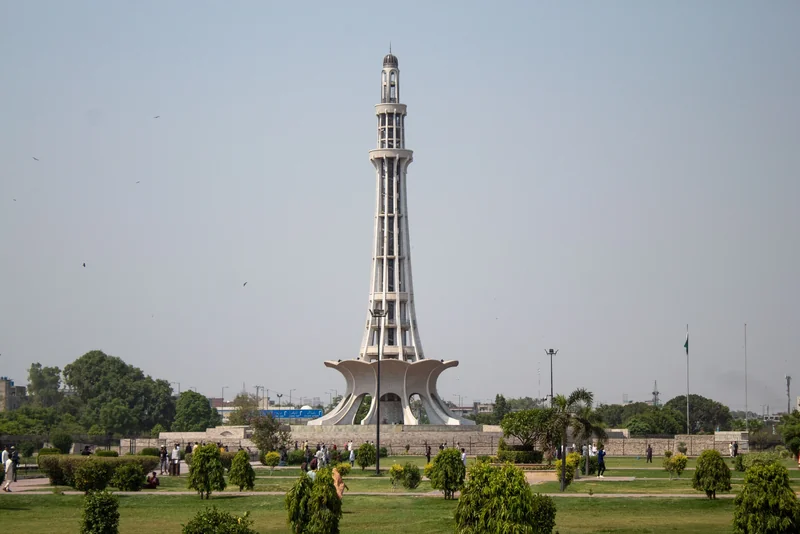
Minar-e-Pakistan
A defining landmark of Lahore’s skyline, set within Greater Iqbal Park. Discuss a park stop as part of your city itinerary, with walking time and access checked for your visit.
The details are where Lahore's history really shows.
Fresco work, carved lattice screens and centuries-old brickwork are easy to walk past; a guide who knows what to point out changes how the whole city reads.
Let a local guide show you Lahore properly.
Every place above can be part of a private itinerary, paced around your interests.
Plan Your TripA different rhythm.
The same unforgettable city.
See the old city in a softer light, linger over dinner and leave room for an evening that feels unhurried. We shape the route around your interests and confirmed opening hours.
Explore food & evening experiences →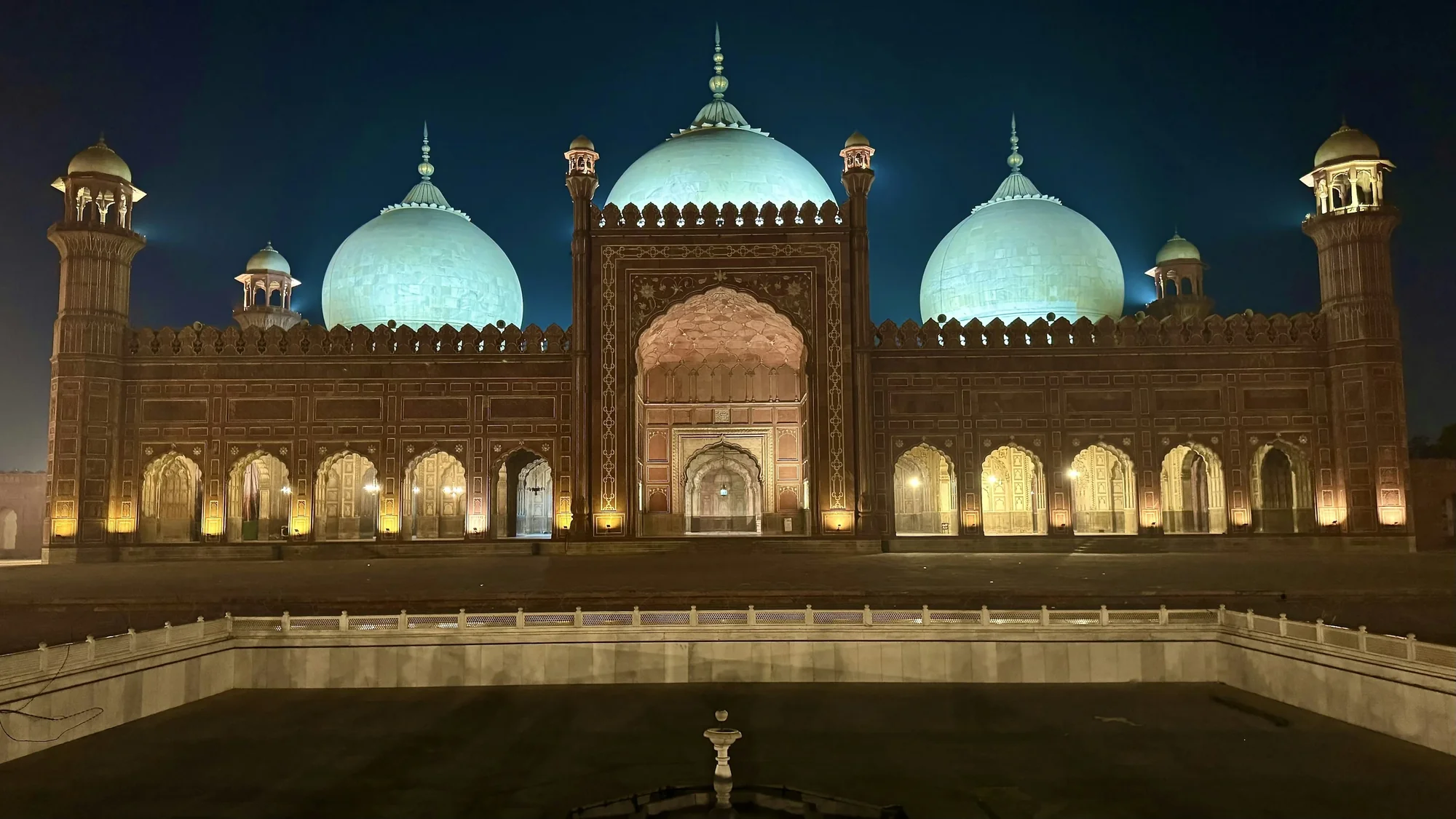
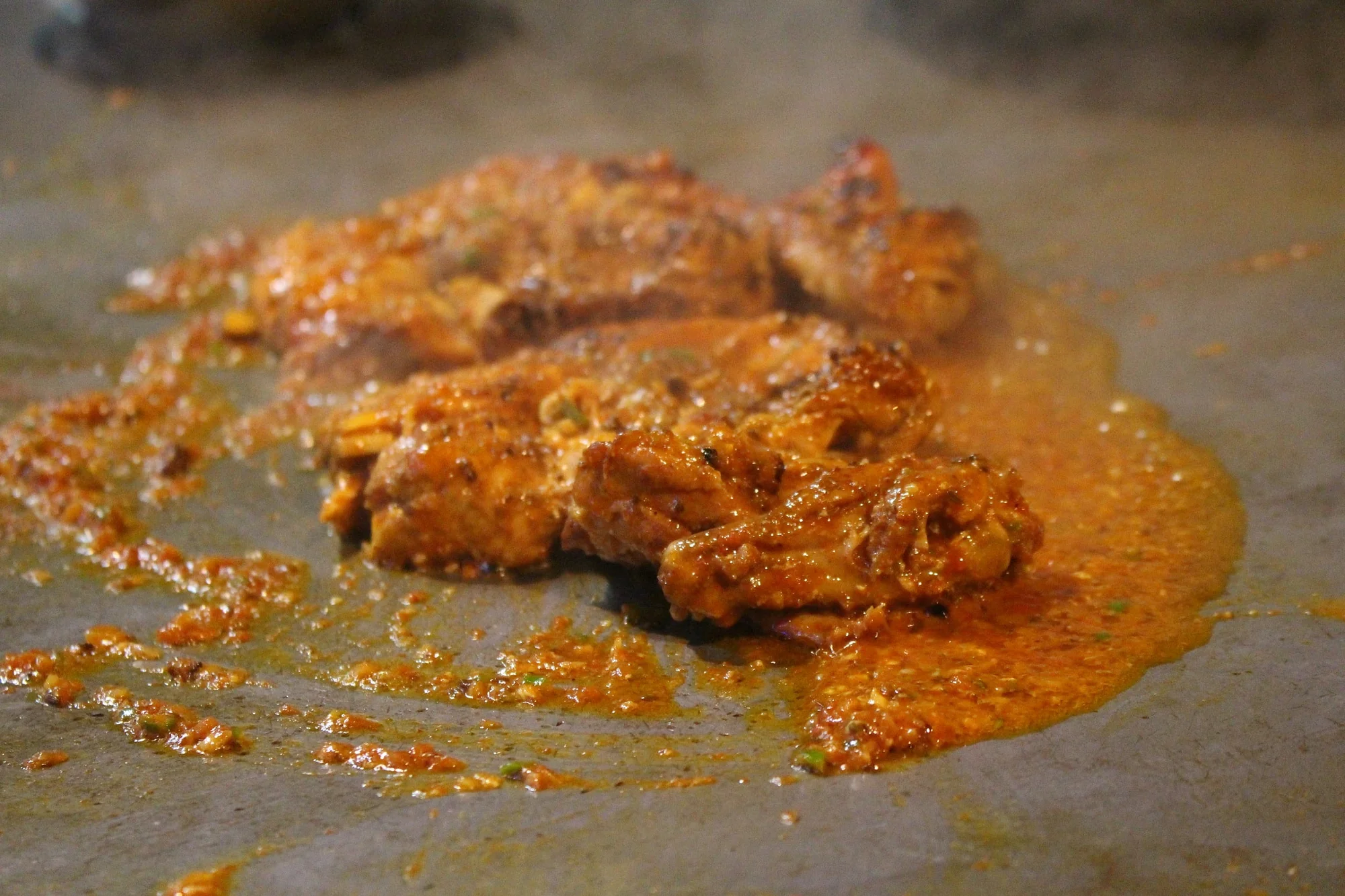
Photographs show the evening atmosphere. Interior access, lighting and dining arrangements depend on the date and venue.